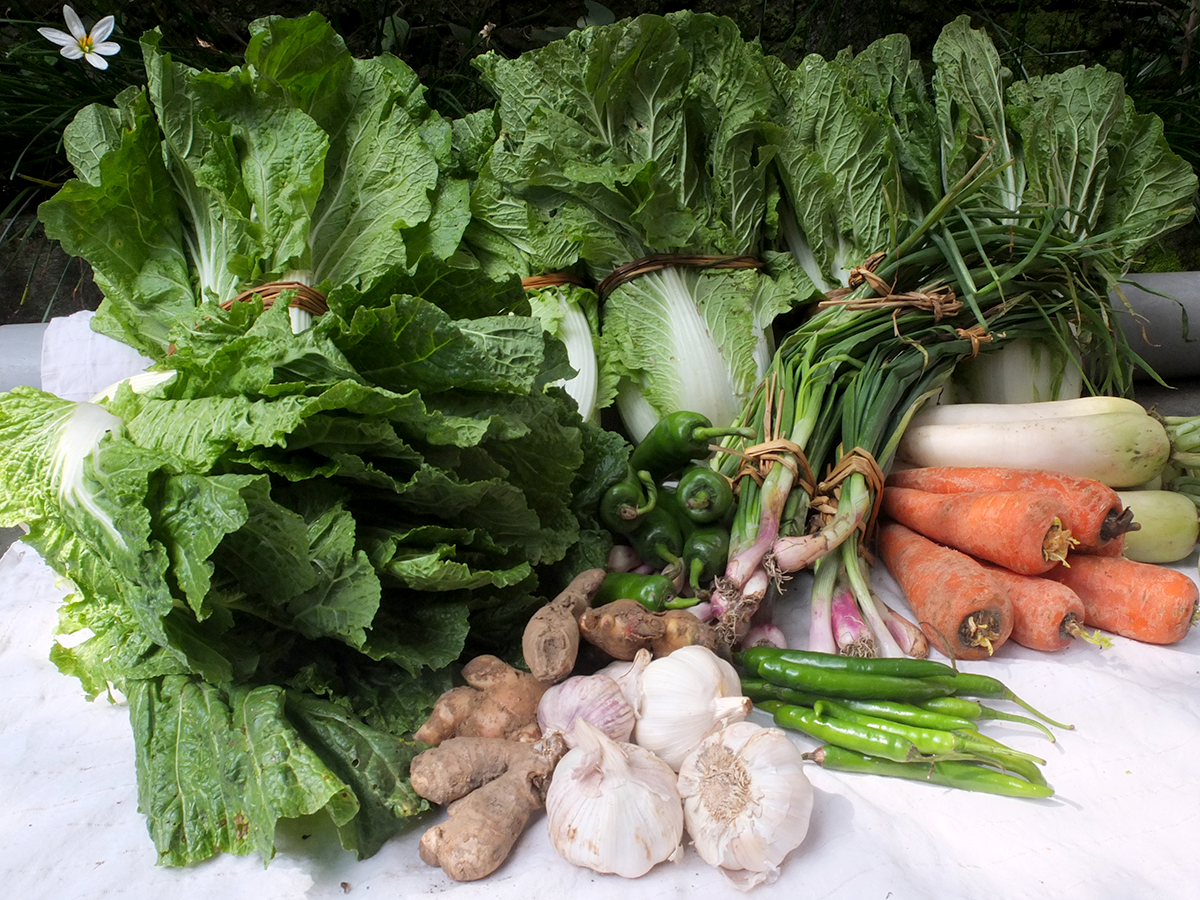
Any food without good materials cannot be fulfill our satisfaction about our hunger, especially when you prepare the preservation of the fresh vegetables. And when the food is not the local common one, to resourcing the material becomes the most critical point to start the preparation of the alien food.
Fortunately, Himalayan hilly region is quite ideal to farm all the possible vegetables and fruits for Kimchi making with full flavors and rich tastes. Plus, there are much more possibility to achieve the organic standard from local farmer’s products, working together within regional communal trading channel.
Himal Kimchi’s current base is only limited in Kathmandu region for the distribution, therefore the main vegetable materials are from Kathmandu valley and Kavre area, and the supplies are not yet all organic base farm products that our direction and action are focusing to reach sooner than later.
Fresh Seasonl Local Vegetables, Fruits & Spices
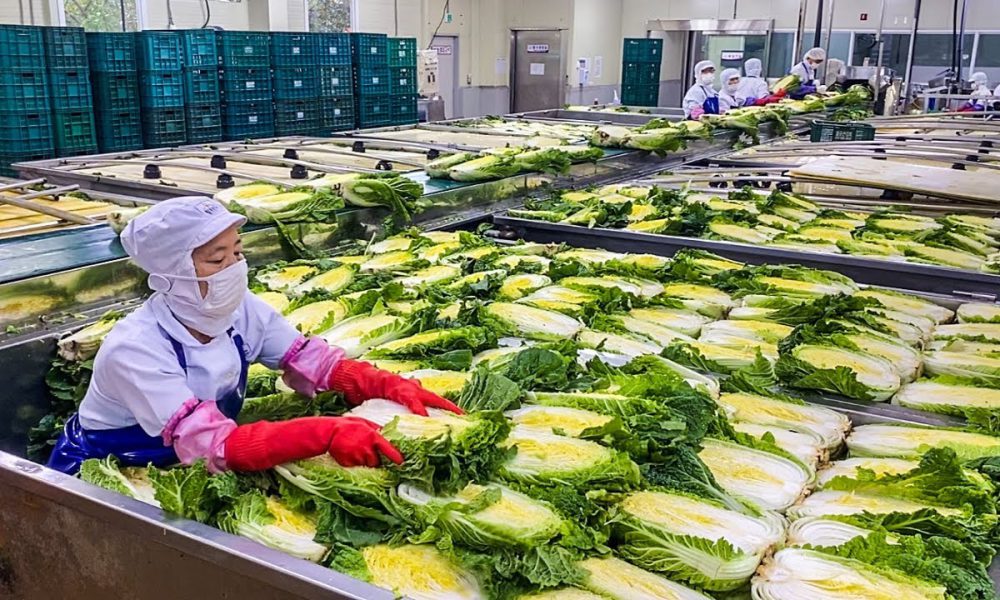
The journey begins at origin harvesting peak-season local produce and hand-selecting every leaf under the careful supervision of experienced craft hands.
Quality Selection Principles
PILLAR 1
Local Seasonal Harvest
Procured directly at peak freshness from local farms, taking advantage of mountain climate crispness and high sugar content.
PILLAR 2
Skilled Hand Inspection
Every head of cabbage and root vegetable is individually examined and hand-trimmed by seasoned kitchen staff to eliminate defects.
PILLAR 03
Optimal Water & Cellular Density
Dense leaf structures are chosen specifically to withstand salting without losing firm texture during cold fermentation.

배추 : Asian / Chinese / Napa Cabbage
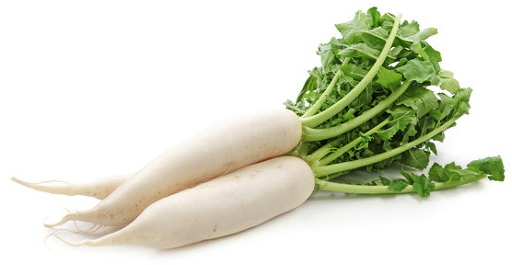
무 : Asian White Radish

홍갓 : Mustard Leaves (Red)
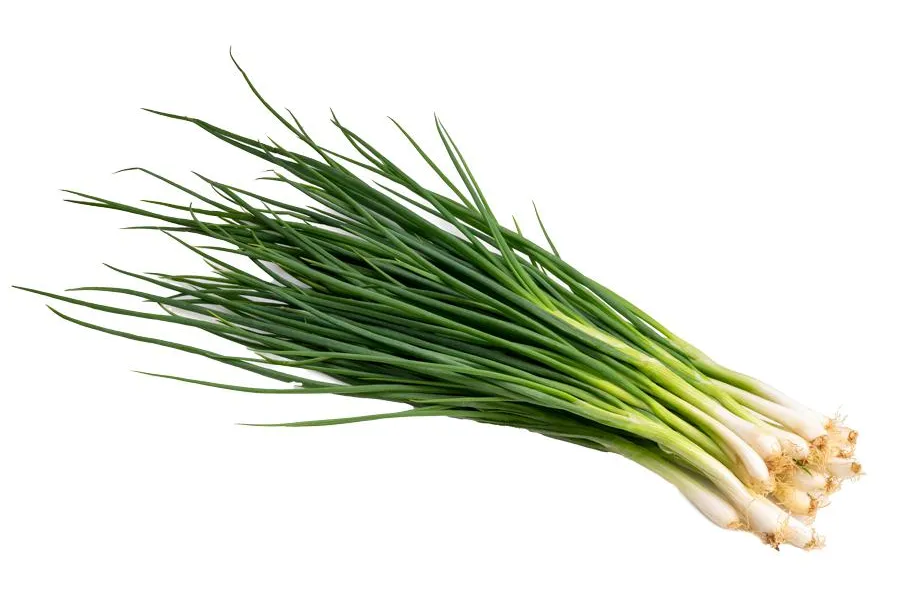
쪽파 : Scallion / Spring Onion
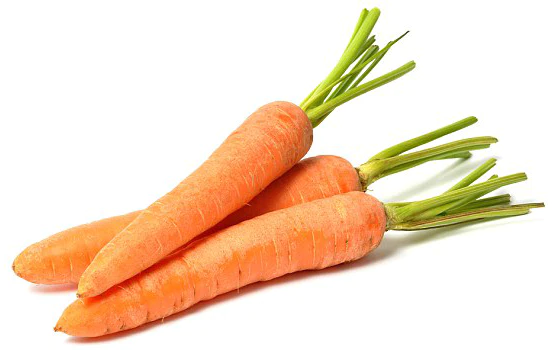
당근 : Carrot
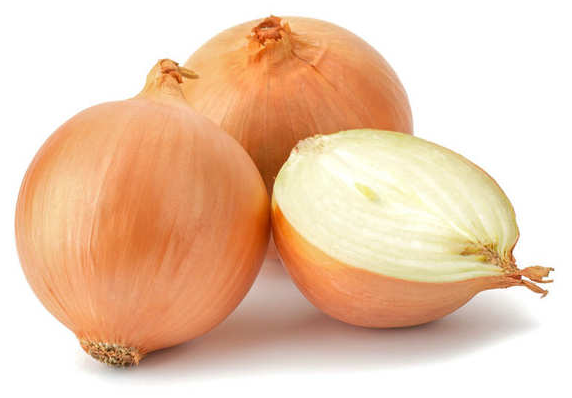
양파 : White Onion

배 : Asian Pear
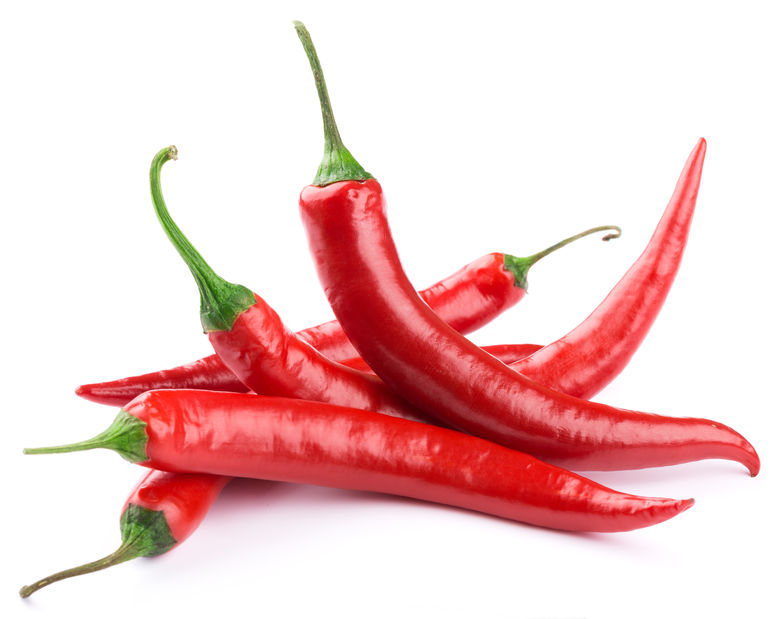
홍고추 : Red Chili

암염 : Himalayan Pink Salt
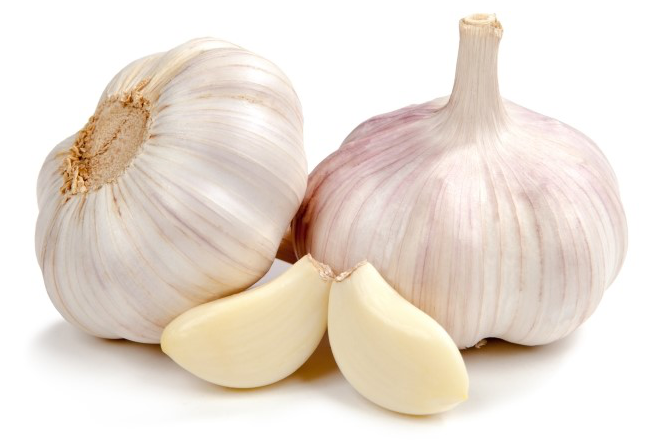
마늘 : Garlic

생강 : Ginger
고추가루 : Dried Chili Powder
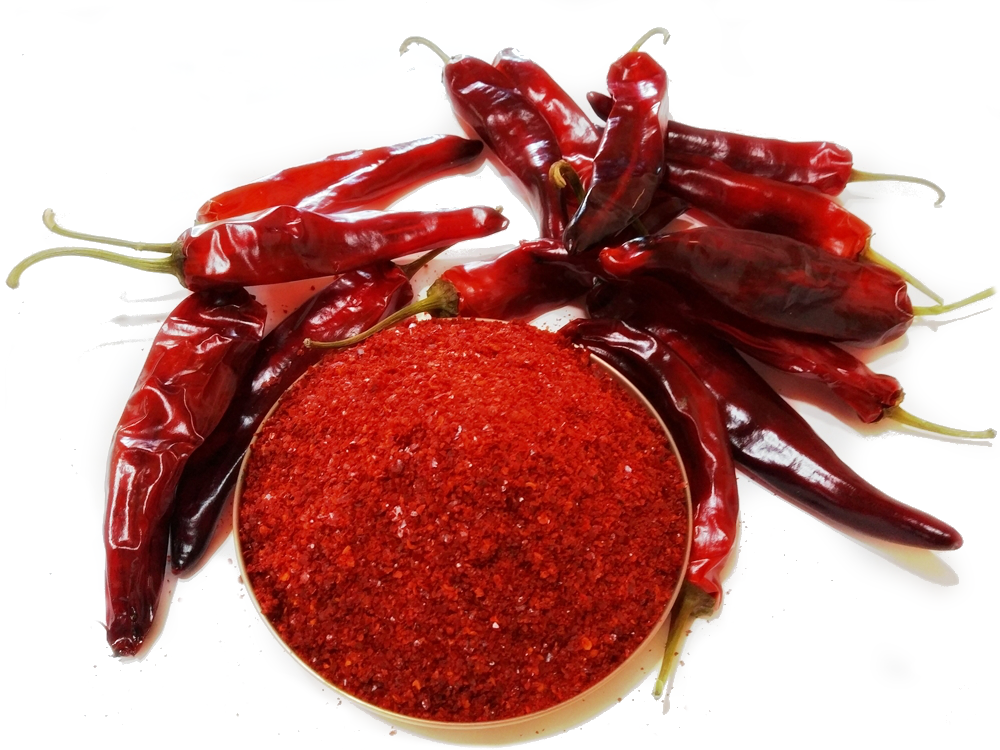
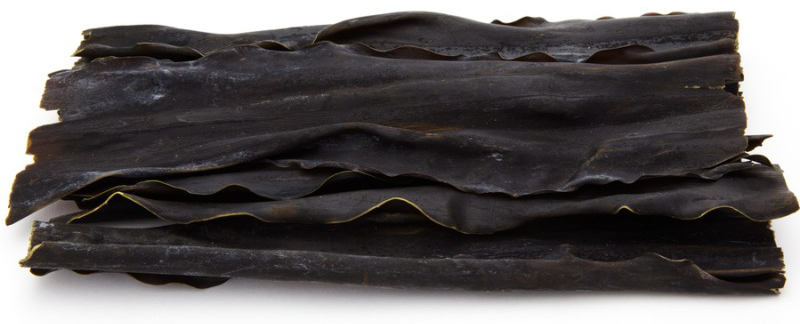
다시마 : Sea Kelp / Devil’s Apron
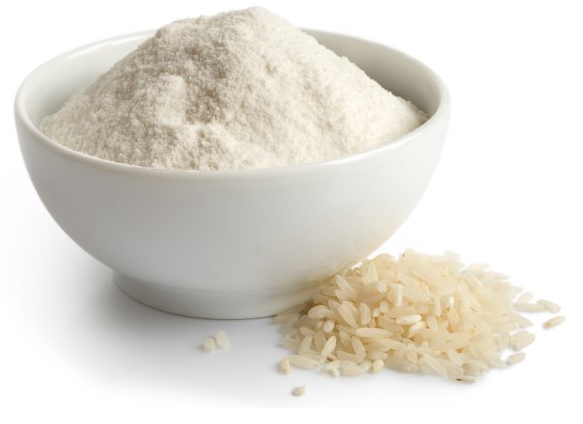
쌀밥 / 쌀가루 : Rice / Flour
– Make porridge : rice(1) & water(5)
Extra Flavor Material
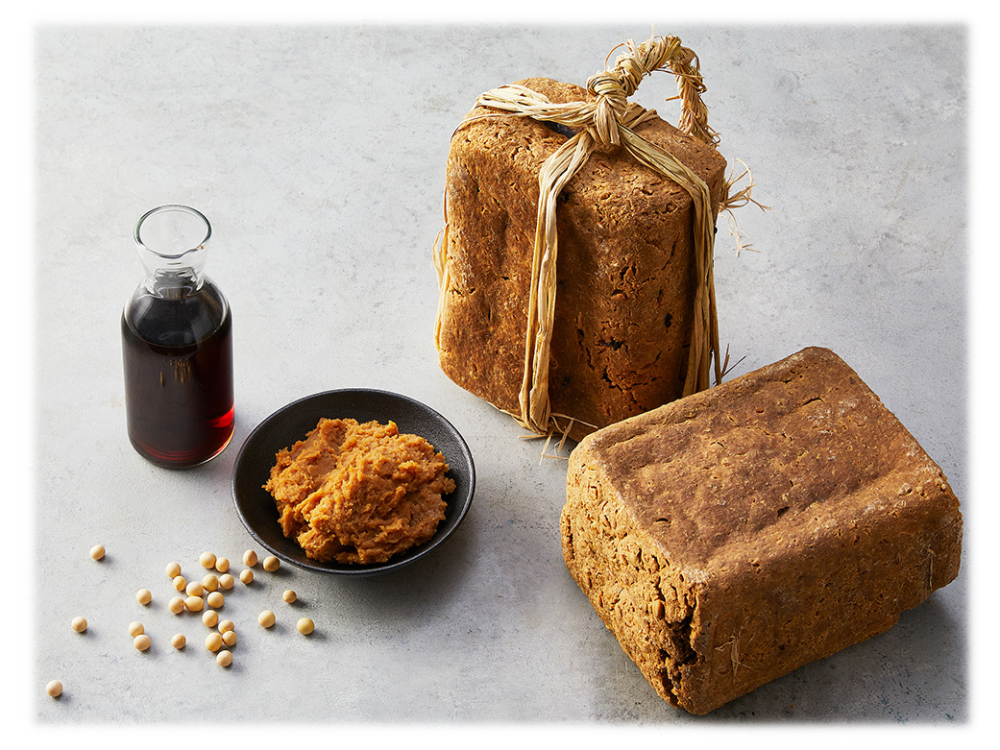
국간장 : Korean Soy Sauce
/ 된장 : Doenjang
Non-Vegan Option
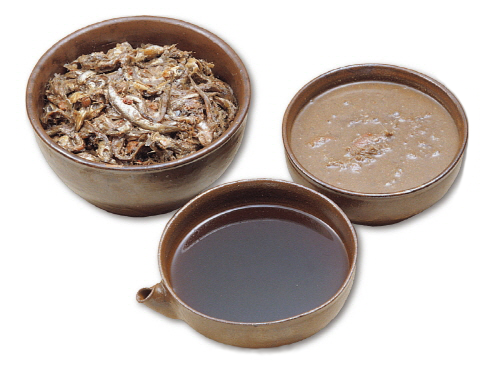
액젓 : Fish Sauce
(anchovy / shrimp)
The key elements of Kimchi is “salt”. It is the core ingredient to start the Kimchi making process. And Himal Kimchi prefers to use the local regional materials where we are making our products, in Kathmandu, using materials arriving from Himalayan region.
Core Element of Preservation by Gift from Ancient
Himalayan pink salt is a natural mineral salt extracted from the ancient Khewra Salt Mine in Pakistan, located near the foothills of the Himalayas. Formed over 250 million years ago from the evaporation of ancient seabeds, it is valued for its purity, color variations from light pink to deep rose, and trace mineral content. Unlike refined table salt, Himalayan pink salt is minimally processed and free from additives.


HERITAGE & SOURCE
Ancient Khewra Seabeds
Extracted from ancient salt deposits formed over 250 million years ago at the foothills of the Himalayas. Minimally processed, unbleached, and completely free from chemical anti-caking additives.
ROLE IN KIMCHI
The Osmotic Catalyst
Initiates plasmolysis in fresh vegetable tissues—drawing out moisture, softening cell structures, eliminating harmful microbes, and selecting for salt-tolerant Lactic Acid Bacteria.
Composition & Nutrient Profile (per 1g)
| Nutrient | Approx. Amount | Primary Function / Health Benefit |
| Sodium (Na) | 368 mg | Regulates fluid balance and supports nerve function |
| Chloride (Cl) | 590 mg | Supports digestive gastric juices and maintains pH balance |
| Calcium (Ca) | 1.6 mg | Supports structural bone health and muscle activity |
| Magnesium (Mg) | 1.1 mg | Aids enzymatic reactions and cellular energy metabolism |
| Potassium (K) | 0.1 mg | Aids muscle contractions and cardiovascular balance |
| Iron (Fe) & Zinc (Zn) | 0.036 mg / Trace | Provides signature pink hue; supports red blood cell production |
Wellness Attributes & Mindful Usage
Electrolyte Balance
Natural sodium-potassium ratios help optimize cellular hydration and fluid regulation.
Digestive Stimulation
Stimulates natural digestive salivary enzymes, aiding nutrient breakdown during meals.
Additive-Free Purity
Zero synthetic bleaching agents, chemical anti-caking compounds, or microplastic residue.
Mindful Moderation
High in sodium chloride; controlled consumption is essential for balanced blood pressure.

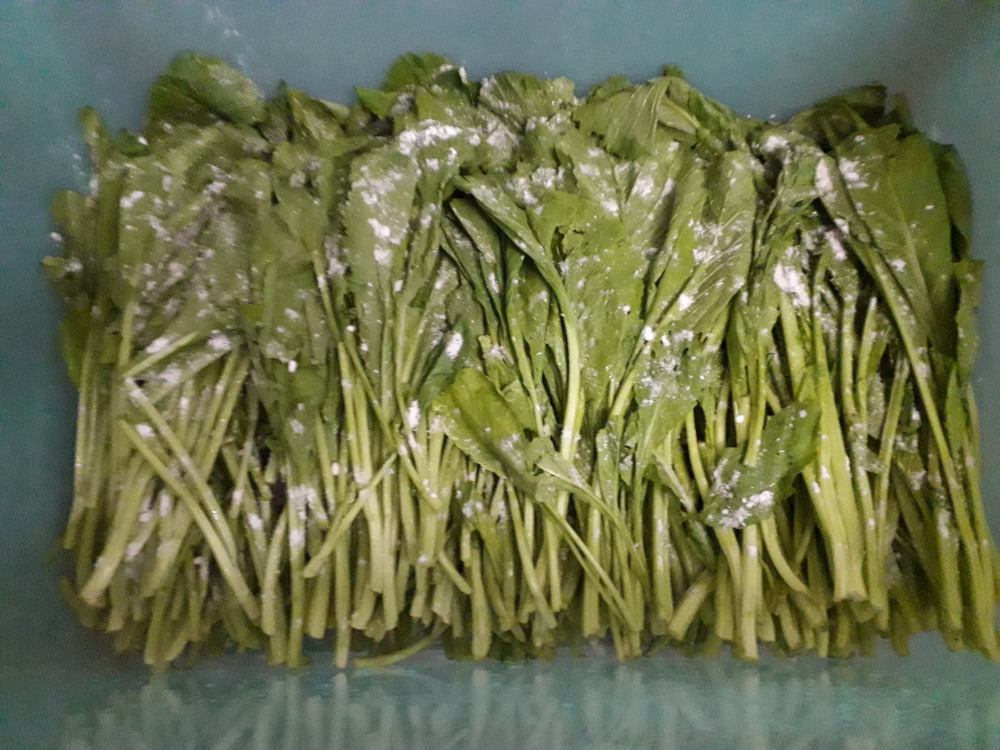
Where the physical transformation of Kimchi begins. By coating fresh Napa cabbages in Himalayan Pink Salt overnight, hypertonic osmosis triggers plasmolysis (protoplasmic separation)—drawing out cellular water, reducing turgor pressure, and turning rigid leaves into a pliable, crisp texture. This crucial step destroys spoilage-causing pathogens while creating the perfect salt-tolerant, anaerobic foundation for probiotic fermentation.
Salting Preservation – Magic of Kimchi Starts
How osmotic pressure and cellular plasmolysis transform raw vegetable tissues into a preserved, pliable base for lactic acid fermentation.
The Geolim Workflow
STAGE 01
Dry Salting
Fresh cabbages are sprinkled layer-by-layer with Himalayan Pink Salt and rested overnight in neat piles.
STAGE 02
Osmotic Water Release
Water flows rapidly from low-salt cell interiors toward the high-salt exterior to balance solute concentrations.
STAGE 03
Plasmolysis Shift
Protoplasts contract away from rigid cell walls, softening leaf walls without destroying structural crispness.
STAGE 04
Fresh Water Rinse
Salted leaves are thoroughly rinsed in clean water to wash off excess surface salt, locking in optimal salinity.
Cellular Plasmolysis Mechanics
Concave Plasmolysis
Optimal / Reversible
Occurs under controlled salting. Cytoplasm shrinks into half-moon shapes away from cell walls, but maintains vital plasmodesmata linkages with neighboring cells.
Result for Kimchi
Leaves become soft and pliable enough to fold without snapping, while retaining crisp tissue integrity.
Convex Plasmolysis
Over-salted / Irreversible
Occurs during extreme, prolonged hypertonic salt exposure. Cytoplasm detaches entirely from cell walls, severing all intercellular connections and killing cell vitality.
Result for Kimchi
Severe structural tissue collapse resulting in mushy, over-salted cabbage that cannot ferment properly.
Scientific Summary Matrix
| Phase | Osmotic Environment | Cellular Mechanism | Culinary Transformation |
| Fresh State | Hypotonic (Low Salt) | Full Turgor Pressure | Crisp, rigid, breakable leaves |
| Geolim Salting | Hypertonic (High Salt) | Water exits via exosmosis → Concave Plasmolysis | Soft, pliable, bendable texture ready for paste |
| Rinsing Phase | Isotonic Balance | Partial Deplasmolysis (Water Re-entry) | Removes surface salt while locking in leaf crunch |
| Microbial Impact | Selective Salinity | Suppresses putrefactive bacteria | Establishes safe zone for Lactic Acid Bacteria |


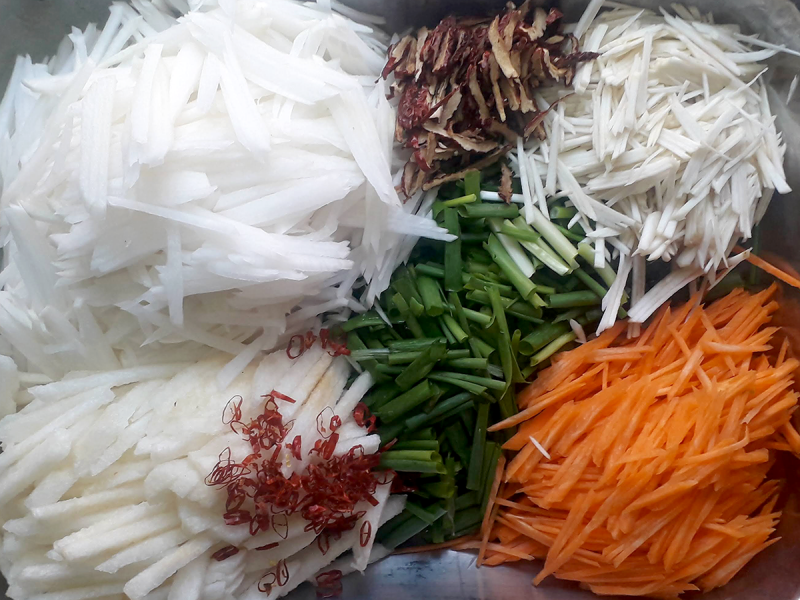
Essential string-cut knife technique used for all supplementary aromatic and structural vegetables in Kimchi making. By finely cutting Asian radish (Mu), carrots, pears, and scallions into uniform matchsticks, the surface area expands significantly. This allows the fresh vegetable strands to easily fold into and bind with the viscous spice paste (Kimchi-so), ensuring an even distribution of moisture, sweetness, and crunch between every leaf layer of the cabbage.
The Art of Chae (채) : String Cut Mechanics
How traditional Korean Julienne cutting transforms hard aromatics and fruits into cohesive binding elements for Kimchi-so (양념).
Purpose of Chae (채썰기) in Kimchi Making
MECHANIC 01
Paste Integration
Thin matchstick strands interlock naturally with glutinous rice glue, binding Gochugaru and aromatics into a smooth, cohesive paste.
MECHANIC 02
Rapid Osmotic Release
Exposing more cellular wall surface allows salt and fish sauce (Jeotgal) to quickly draw out natural sugars and fruit juices.
DIMENSIONMECHANIC 03
Inter-Leaf Tucking
Flexible vegetable ribbons slide effortlessly between tight cabbage leaves without clumping or falling out into the brine.
Chae Technique Applied by Ingredient
Asian Radish (무) & Carrot (당근)
Sliced first into diagonal planks (편썰기), then stacked and cut into uniform string strands. Radish provides the structural backbone and crunch of Kimchi-so, while carrots add vivid color and natural beta-carotene.
Target Dimension
~2mm × 2mm × 5cm matchsticks.
Korean Pear (배) & Fruit Additions
Julienned matchsticks of firm Korean pear release fresh fructose to fuel early-stage lactic acid bacteria. Cutting fruit into strings gives a subtle, refreshing bite without turning into liquid puree.
Craft Note
Cut fruit last and add directly to paste to prevent enzymatic browning.
Vegetable Cutting & Function Matrix
| Ingredient | Korean Term | Cut Style | Culinary Role in Kimchi-so |
| Korean Radish | Mu (무) | Mu-chae (무채) / Standard Julienne | Absorbs red pepper spice, adds crisp texture and volume |
| Carrot | Danggeun (당근) | Fine Julienne | Visual color contrast and earthy background sweetness |
| Korean Pear | Bae (배) | Medium String Cut | Natural sugar source; softens fish sauce pungency |
| Scallion & Green Onion | Pa / Jjopa (파 / 쪽파) | 4–5cm Length Sections | Matches string length of radish chae for balanced bite |
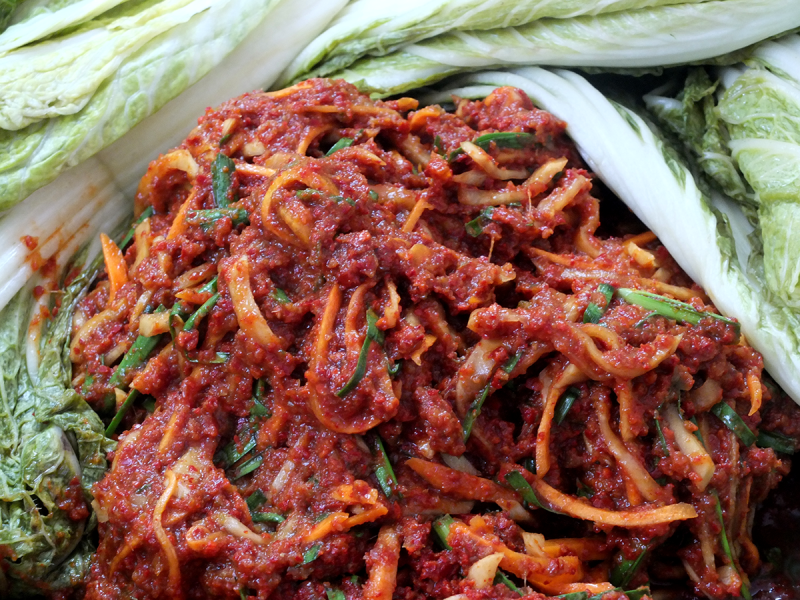
Essential aromatic paste that defines the signature depth, spice, and umami of traditional Korean Kimchi. Built on a viscous base of cooked glutinous rice porridge (Glutinous Rice Glue), this rich mixture binds vibrant Gochugaru (Korean red pepper flakes), crushed garlic, minced ginger, and Saeujeot (salted fermented shrimp) or Aekjeot (anchovy fish sauce). Mixed with fresh julienned radish, Asian chives, and green onions, Kimchi-so delivers a harmonious balance of sweet, salty, pungent, and savory notes while providing crucial complex carbohydrates that feed lactic acid bacteria during fermentation.
Traditional Composition of Spices & Flavors
The core aromatic seasoning matrix—combining microbial starches, heat, umami, and fresh aromatics to coat salted leaves for fermentation.
Functional Ingredient Pillars
PILLAR 01 · BINDER
Glutinous Rice Porridge
Acts as a natural adhesive so spices stick to leaves, while providing simple sugars to feed Lactic Acid Bacteria (LAB).
PILLAR 02 · SPICE
Gochugaru (Red Pepper)
Provides vibrant crimson color, mild-to-medium heat, and natural antioxidants (capsaicin) that inhibit food spoilage organisms.
PILLAR 03 · UMAMI
Jeotgal (Fermented Seafood)
Salted shrimp (Saeujeot) or anchovy sauce (Aekjeot) deliver amino acids and savory depth that accelerate microbial activity.
PILLAR 04 · AROMATICS
Garlic, Ginger & Greens
Crushed garlic, minced ginger, scallions, and julienned radish infuse crisp texture, essential oils, and antimicrobial properties.
Preparation Sequence
Phase A
Porridge & Gochugaru Blooming
Glutinous rice flour is simmered in water (or kelp broth) until thick, then cooled completely. Gochugaru is stirred in and left to rest, allowing the chili flakes to hydrate, bloom, and deepen in color.
Key Objective
Unlocks smooth spice dispersion and prevents raw pepper powderiness in the final product.
Phase B
Aromatic & Vegetable Binding
Finely ground garlic, ginger, and Jeotgal are folded into the chili-porridge paste. Finally, julienned radish, Asian chives (Bucheu), and scallions are gently tossed in to retain their fresh crunch.
Key Objective
Uniform distribution ensures every salted cabbage leaf receives an equal layer of fermentation seasoning.
Component & Flavor Matrix
| Ingredient | Korean Term | Flavor Contribution | Biological & Culinary Role |
| Korean Red Pepper Flakes | Gochugaru (고춧가루) | Smoky heat, mild sweetness | Provides red color; natural capsaicin acts as a biological preservative |
| Glutinous Rice Glue | Chapssal-pul (찹쌀풀) | Neutral, subtle sweetness | Thickening agent; primary carbohydrate substrate for lactic acid bacteria |
| Garlic & Ginger | Maneul & Saenggang (마늘, 생강) | Pungent, sharp, warm notes | Allicin in garlic and gingerols in ginger suppress bad bacteria strains |
| Julienned Korean Radish | Mu-sae (무채) | Crisp, refreshing, peppery | Adds physical volume between cabbage leaves and releases natural juices |
| Fish Sauce / Fermented Shrimp | Aekjeot / Saeujeot (액젓, 새우젓) | Deep umami, savory saltiness | Supplies essential amino acids that accelerate complex fermentation flavors |


Represents the physical heart of Kimchi making—where mechanical force, artisanal skill, and careful handling unite. Beomurim is the meticulous act of spreading and massaging the Kimchi-so (seasoning paste) between every single leaf layer of the salted Napa cabbage, while Pogi refers to tightly folding, wrapping, and packing the prepared whole heads into storage vessels. This delicate labor ensures uniform flavor distribution, creates an anaerobic environment to prevent spoilage, and sets the stage for optimal, long-term fermentation.
The Assembling Labor of Kimchi Making
The physical fusion of salted cabbages and spice paste—demanding controlled stamina, ergonomic precision, and technique to lock in anaerobic integrity.
The Core Human Dimensions
DIMENSION 01
Physical Power (힘)
Handling heavy batches of dense, water-laden cabbages requires sustained endurance, core stability, and rhythmic arm movements.
DIMENSION 02
Artisanal Know-How (요령)
Knowing precisely how much paste to coat on thick white stems versus delicate leaf tips to achieve balanced salt and spice levels.
DIMENSION 03
Tactile Care (정성)
Gentle handling prevents bruising fragile cabbage leaves while tightly wrapping outer leaves to seal out unwanted air pockets.
The Assembly Sequence
Phase A
Beomurim (버무림)
Coating & Massaging
Starting from the bottom outer leaves and moving toward the inner core, generous amounts of Kimchi-so are massaged into the rigid white ribs, while remaining paste is lightly swept over leaf tips.
Key Objective
Eliminates unseasoned pockets and ensures flavor thoroughly penetrates cabbage tissues.
Phase B
Pogi & Packing (포기)
Folding & Sealing
The fully coated quarter or half cabbage head is folded in half, and its largest outer leaf (Geotjeori) is wrapped tightly around the entire bundle. It is then firmly pressed into fermentation vessels cut-side up.
Key Objective
Minimizes trapped oxygen to create an ideal environment for anaerobic Lactic Acid Bacteria.
Process & Biological Impact Matrix
| Action Step | Craft Technique | Physical Challenge | Fermentation Outcome |
| Rib Massaging | Concentrate paste application on thick white stem bases | Repetitive wrist and arm movements over large volumes | Compensates for stem thickness, yielding even salinity |
| Outer Wrapping | Encase bundled head using outermost green leaf | Tension control without tearing tender leaves | Prevents paste from washing off or scattering in brine |
| Vessel Pressing | Pack tightly into earthenware (*Onggi*) or air-tight containers | Downward body-weight pressure on dense layers | Forces out oxygen gas; favors protective anaerobic fermentation |
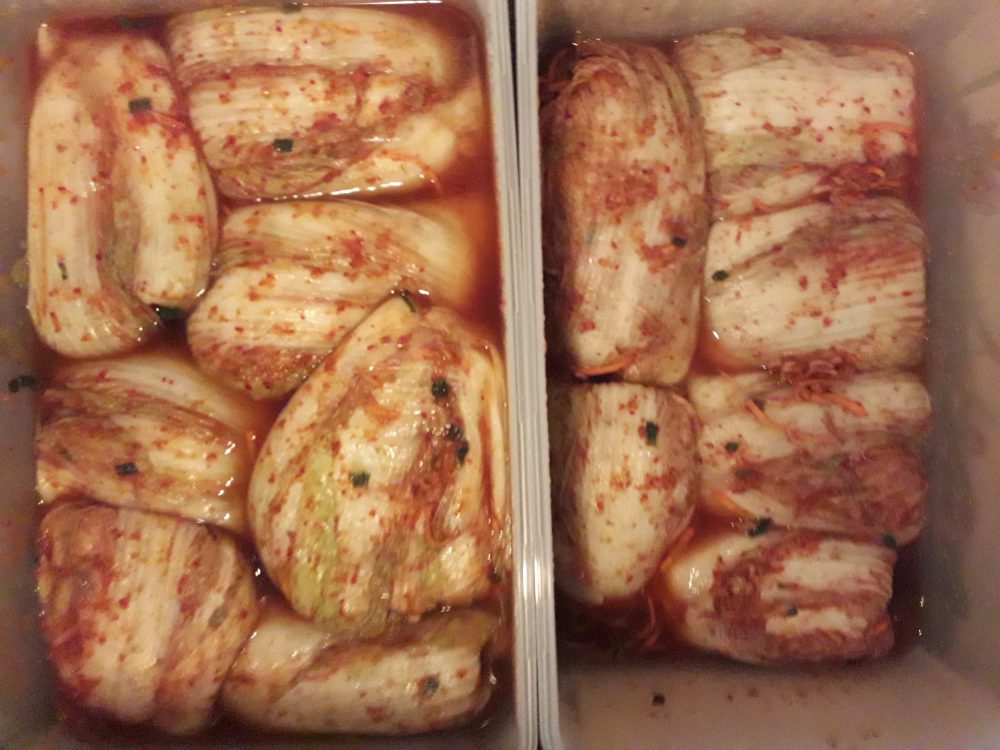
Represent the biochemical culmination of Kimchi making—where initial room-temperature microbial activation transitions into slow, controlled cold aging. Under anaerobic conditions, beneficial Lactic Acid Bacteria (Leuconostoc mesenteroides and Lactobacillus plantarum) convert simple sugars into lactic acid, carbon dioxide, and organic acids. Modern chill storage (or traditional underground Onggi pottery) regulates temperatures near 0°C to 2°C, suppressing spoilage organisms while preserving crisp texture, sparkling effervescence, and complex umami notes for months.
Fermentation & Chill Storage
The scientific transition from room-temperature microbial ignition to slow, cold-temperature aging—locking in crispness, acidity, and effervescent depth.
Thermal Aging Phases
Phase A: Room Activation (15–20°C)
18 – 36 Hours
Brief ambient exposure jumpstarts heterofermentative bacteria like Leuconostoc mesenteroides. Simple sugars derived from glutinous rice glue and vegetables begin converting into mild lactic acid and CO₂ bubbles.
Key Signal
Small gas bubbles appear, accompanied by a pleasant, slightly tangy aroma.
Phase B: Chill Ripening (0–2°C)
4 Weeks – Several Months
Transfer to controlled cold storage slows down metabolic velocity. Homofermentative species like Lactobacillus plantarum gradually take over, deepening complex acidity while preserving pectin tissue crispness.
Key Signal
Stable pH level (~4.2) delivering a clean, refreshing, carbonated bite.
Fermentation Mechanisms
MECHANISM 01
Anaerobic Submersion
Keeping cabbage pressed beneath brine seals out oxygen, preventing aerobic molds and yeast scum (*Gapeul*) from forming.
MECHANISM 02
Organic Acid Synthesis
Lactic and acetic acids lower pH levels to 4.0–4.5, naturally sterilizing the environment against harmful pathogens.
MECHANISM 03
Carbonation & Sparkle
CO₂ produced during early fermentation dissolves into liquid under cold pressure, giving mature Kimchi its refreshing fizz.
MECHANISM 04
Pectin Structure Defense
Sub-zero precision (0°C to -1°C) inhibits polygalacturonase enzymes, preserving leaf cellular crispness over months.
Fermentation Progression Matrix
| Stage | Dominant Microbe | pH & Acidity Target | Flavor & Texture Profile |
| Fresh (Geotjeori) | Raw environmental flora | pH 5.5 – 6.0 (Low Acid) | Saline, vibrant spice, crunchy raw cabbage flavor |
| Optimally Ripened | Leuconostoc mesenteroides | pH 4.2 – 4.4 (0.6–0.8% Acidity) | Refreshing tang, sparkling carbonation, balanced umami |
| Fully Aged (Mukeunji) | Lactobacillus plantarum | pH 3.8 – 4.0 (>1.0% Acidity) | Deeply sour, soft texture, rich complex amino acid profile |
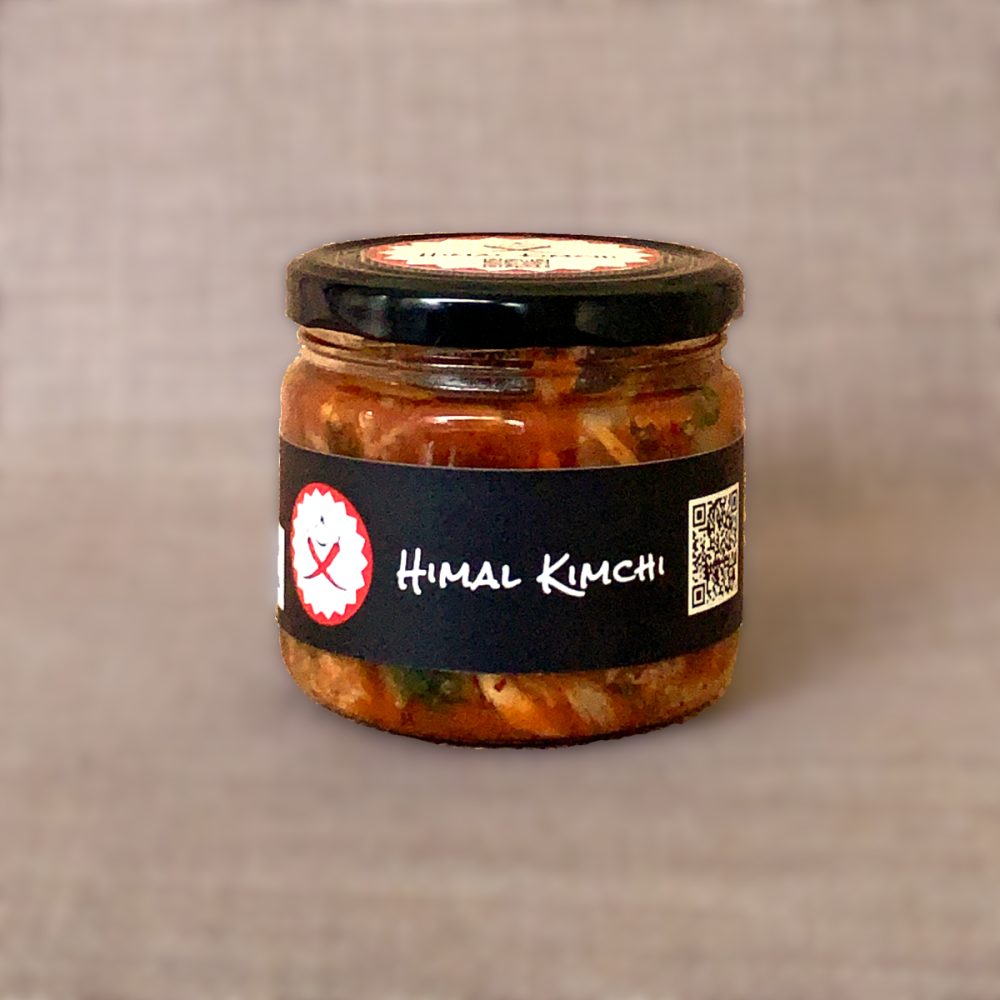
Outlines Himal Kimchi’s eco-conscious distribution model and strict hygiene protocol. To guarantee food safety, prevent wild yeast contamination, and preserve batch integrity during cold fermentation, every glass jar and metal lid undergoes thermal boiling sterilization before filling. Built on a circular economy, the packaging strategy pairs these sterilized, non-reactive glass jars with a tiered cash deposit-refund system (Rs. 50 / 70 / 100) to eliminate single-use waste. For added versatility, the lineup includes food-grade ziplock pouches for lightweight transport and biodegradable bags designed for home food waste separation.



Sanitation, Packaging & Deposit Refund System
Integrates mandatory thermal boiling sterilization with a circular glass deposit-refund program—delivering zero-waste sustainability without compromising microbial safety.
Complete Packaging Solutions
Zero-Waste Sterilized Glass Jars
Heavy-duty glass retains carbonation without flavor migration. Returned empty jars are thoroughly washed and boiled at 100°C before refilling, fueling a sustainable closed-loop system.
Ecosystem Impact
Eliminates single-use container manufacturing and diverts glass from landfills.
Food-Grade Ziplock Pouches
Designed for portability and convenient handling, these flexible, food-grade ziplock pouches offer a shatterproof alternative ideal for outdoor activities, travel, or quick daily use.
Ecosystem Impact
Lightweight construction lowers transport emissions and maximizes storage efficiency.
Biodegradable Organics Bags
Included to support proper waste sorting at home. Designed specifically for collecting and disposing of food scraps cleanly, allowing organic waste to decompose naturally.
Ecosystem Impact
Encourages home composting and keeps food waste out of municipal landfill streams.
High-Heat Boiling Sanitation Standard
Boiling Sterilization Step
100°C Full Submersion
Glass Jars
Boiled to remove surface pathogens and prepare pristine, non-reactive interior walls.
Metal Lids
Sterilized to clean rubber seals and secure a leakproof, airtight fermentation barrier.
Fermentation Defense
Prevents batch spoilage and preserves clean carbonation and crisp leaf texture.