
Kimchi (김치) is a staple Korean fermented dish made by pickling and seasoning vegetables in brine. Dating back to at least the Three Kingdoms period (37BC-668AC), it evolved alongside vegetarian traditions encouraged by Buddhism and remains central to Korean culinary identity. Historically, it was stored in buried earthenware vessels (hang·a·ri) or modern kimchi refrigerators to regulate temperature and fermentation.

ETYMOLOGY
팀채 (timchɑi)
·
딤채 (dimchɑi)
·
짐채 (jimchɑi)
·
짐츼 (jimchui)
·
김치 (gimchi)
INGREDIENT VARIETIES
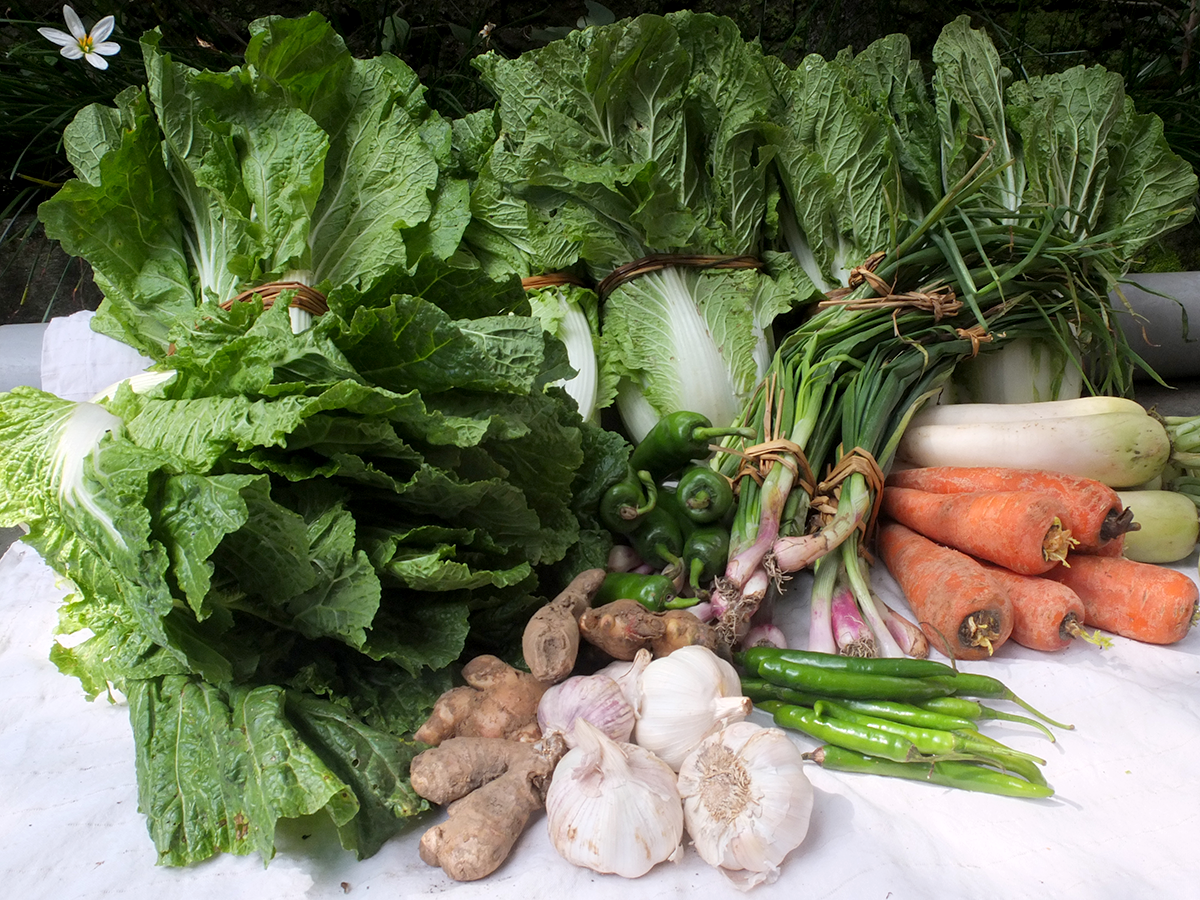
· Korean cabbage · radish · mustard leaves · cucumber · bakchoy · scallion · garlic · ginger · onion · pear · chili · spring onion · carrot · dried chili flakes · dried sea kelp · rice flour · salt · etc ·
CULINARY APPLICATIONS

served as
a primary side dish (banchan)
or
integrated into
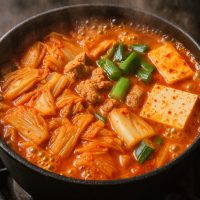
stews (kimchi-jjigae)
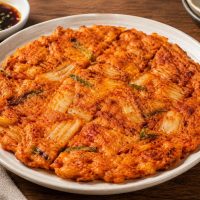
pancakes (kimchi-buchimgae)
fried rice (kimchi-bokkeumbap)
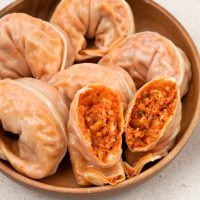
dumplings (kimchi-mandu)
· · ·
PLASMOLYSIS PRESERVATION
Protoplasm Separation
When plant tissues are placed in hypertonic solutions such as concentrated salt, water flows out, causing cell contents to contract and pull away from the cell wall.
Hypotonic environments reverse this via deplasmolysis. Tracking these osmotic fluxes allows researchers to approximate surrounding solute concentrations and rate of membrane transport.
FERMENTATION PROCESS
Salting destroys most microorganisms, allowing salt-tolerant, anaerobic lactic acid bacteria to thrive in cool, oxygen-free conditions. They convert sugars into organic acids, lowering pH to inhibit pathogens while creating Kimchi’s signature sour flavor and shelf stability. Peak maturation reaches ~99% lactic acid bacteria dominance before over-aging allows yeasts and molds to cause decomposition.
MICROBIAL METABOLISM
NUTRITIONAL ENHANCEMENT
Lactic acid bacteria produce lactic acid, hydrogen peroxide, and carbon dioxide. This lowers pH, kills harmful pathogens, preserves freshness, and creates signature carbonation. Furthermore, fermentation synthesizes B vitamins and breaks down tough plant cellulose, releasing bound nutrients for significantly improved digestion and absorption.
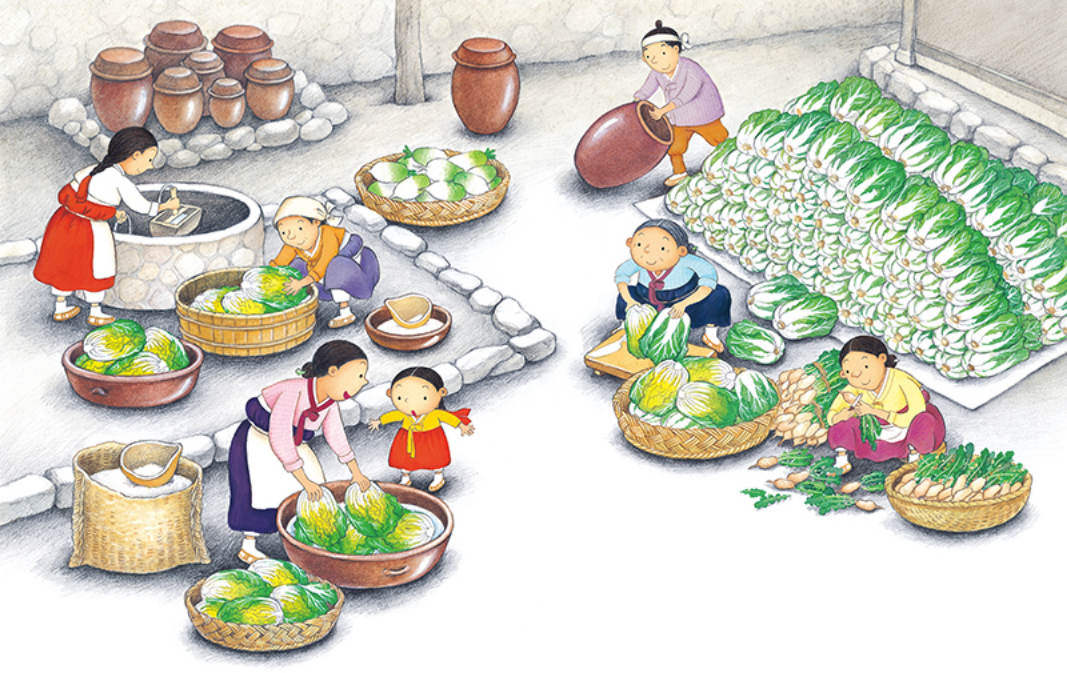
김장 Kimjang is the traditional Korean practice of preparing and preserving large quantities of Kimchi in late autumn to ensure a steady food supply throughout the long winter months. Beyond its culinary function, Kimjang is a vital cultural tradition centered on family, community collaboration, and shared labor.
Kimchi serves as a profound symbol of Korean identity. Programs teaching Kimchi-making are even utilized in reintegration initiatives for adult Korean adoptees.
In recognition of its social and cultural significance, UNESCO inscribed “Kimjang, making and sharing Kimchi” on the Representative List of the Intangible Cultural Heritage of Humanity in 2013.
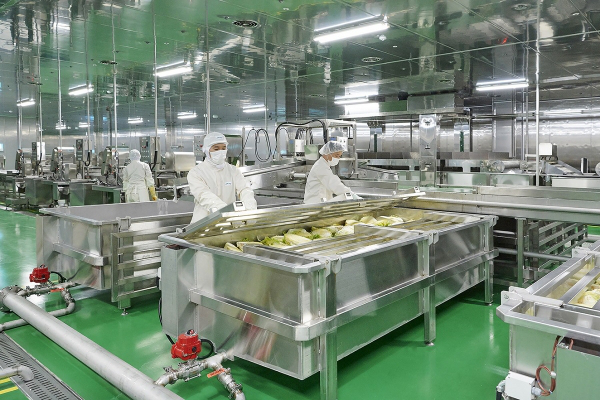
Industrialization & Appliance Tech
Modern production spans from large-scale factory assembly to dedicated retail channels and specialized storage appliances—including multi-compartment Kimchi chillers and deep-refrigeration units designed for long-term aging.
Economic & Diplomatic Impact
As a national staple, supply shortages caused by adverse weather (such as the 2010 cabbage price crisis) trigger immediate governmental intervention. Furthermore, Kimchi remains central to international food standard discussions, trade regulations, and diplomatic relations.