
Variations are unlimited, as Koreans says “can make kimchi out of anything edible; a concept which extends toward infinite possibilities…” – made with different vegetables as the main ingredients; Asian cabbage, Korean white radish, young radish leaves, young radish, dried radish, cucumber, mustard leaves, spring onion, garlic chives, Bokchoi, balloon-flower root, perilla leaves, onion, etc.
Baechu Kimchi
배추김치
Chinese / Napa
Korean Cabbage

Gat Kimchi
갓김치
Mustard Leaves
Rayokosaak

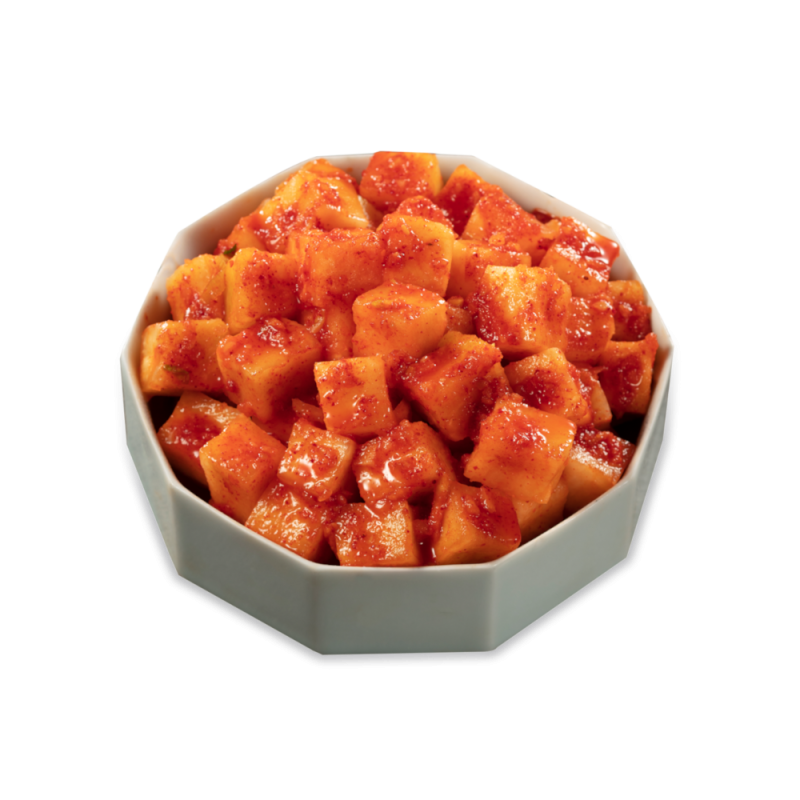
Kakduki
깍두기
Asian / Korean Radish
Mula
Oi Sobaki
오이소박이
Cucumber

Baek Kimchi
백김치
Chinese / Napa
Korean Cabbage

Yangbaechu Kimchi
양배추김치
White Cabbage

Chonggak Kimchi
총각김치
Ponytail Radish

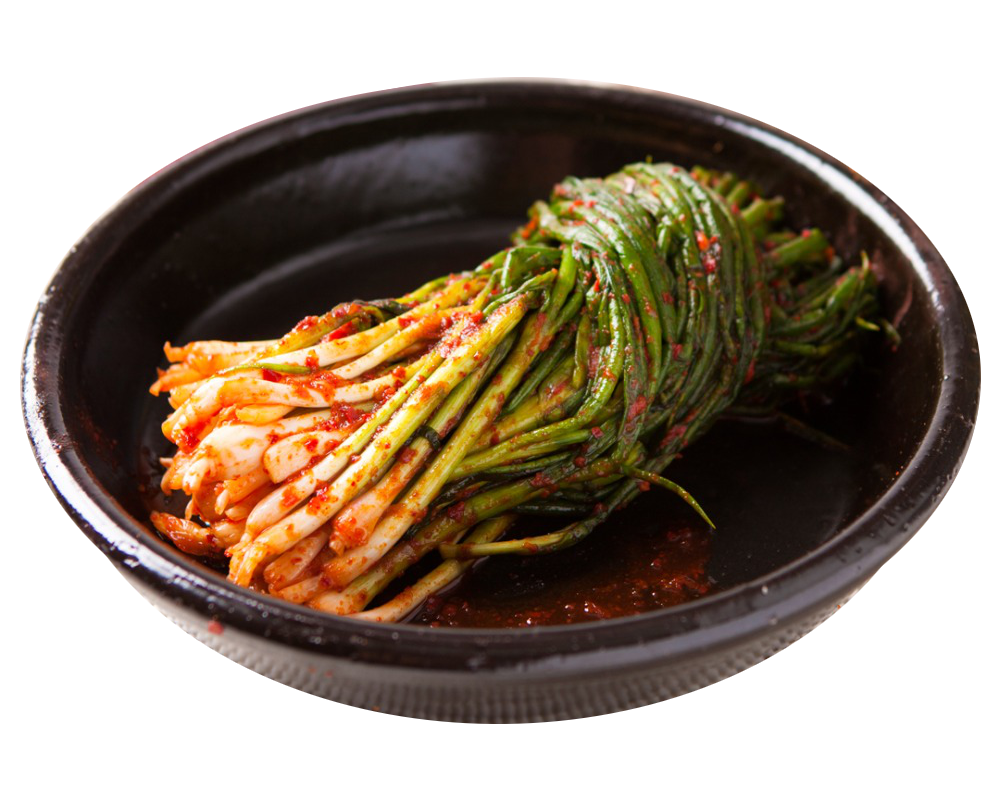
Pa Kimchi
파김치
Scallion
Spring Onion
Kaetnip Kimchi
깻잎김치
Perilla Leaves
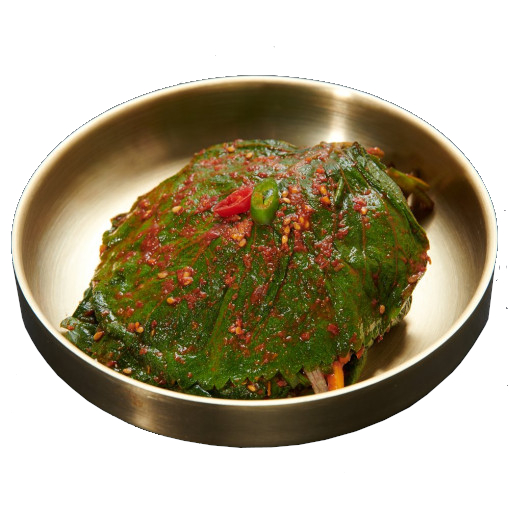
Bossam Kimchi
보쌈김치
Chinese / Napa
Korean Cabbage

Seasonal Variety
Different types of kimchi were traditionally made at different times of the year, based on when various vegetables were in season and also to take advantage of hot and cold seasons before the era of refrigeration. Although the advent of modern refrigeration – including Kimchi refrigerators specifically designed with precise controls to keep different varieties of Kimchi at optimal temperatures at various stages of fermentation – has made this seasonality unnecessary, Koreans continue to consume Kimchi according to traditional seasonal preferences.
SPRING
After a long period of consuming 김장김치(Kimjang Kimchi) during the winter, fresh potherbs and vegetables were used to make kimchi. These kinds of kimchi were not fermented or even stored for long periods of time but were consumed fresh.
SUMMER
열무김치(Yeolmu Kimchi) made with radish leaves and 오이소박이(Oi Sobaki) made with cucumbers are summer Kimchi. Brined fish or shellfish can be added, and freshly ground dried chili peppers are often used.
AUTUMN
배추김치(Baechu Kimchi) is prepared by inserting blended stuffing materials, called 김치소(Kimchiso) or 속(Sok) meaning literally inside, between layers of salted leaves of uncut, whole Asian cabbage. The ingredients of 김치소(Kimchiso) can vary, depending on the regions and weather conditions. Generally, Baechu Kimchi used to have a strong salty flavor until the late 1960s, before which a large amount of 멸치젓(Myeolchijeot)or 새우젓(Saeujeot)had been used. 고구마순김치(Gogumasoon Kimchi)is made from sweet potato stems.
WINTER
Traditionally, the greatest varieties of Kimchi was available during the winter. In preparation for the long winter months, many types of 김장김치(Kimjang Kimchi) were prepared in early winter and stored in the ground in large Kimchi pots. Today, many city residents use modern Kimchi refrigerators offering precise temperature controls to store Kimjang Kimchi. November and December are traditionally when people begin to make Kimchi; women often gather together in each other’s homes to help with winter Kimchi preparations. “Baechu Kimchi” is made with salted Baechu filled with thin strips of radish, parsley, pine nuts, pears, chestnuts, shredded red pepper, manna lichen (석이 버섯), garlic, and ginger.
Regional Variety
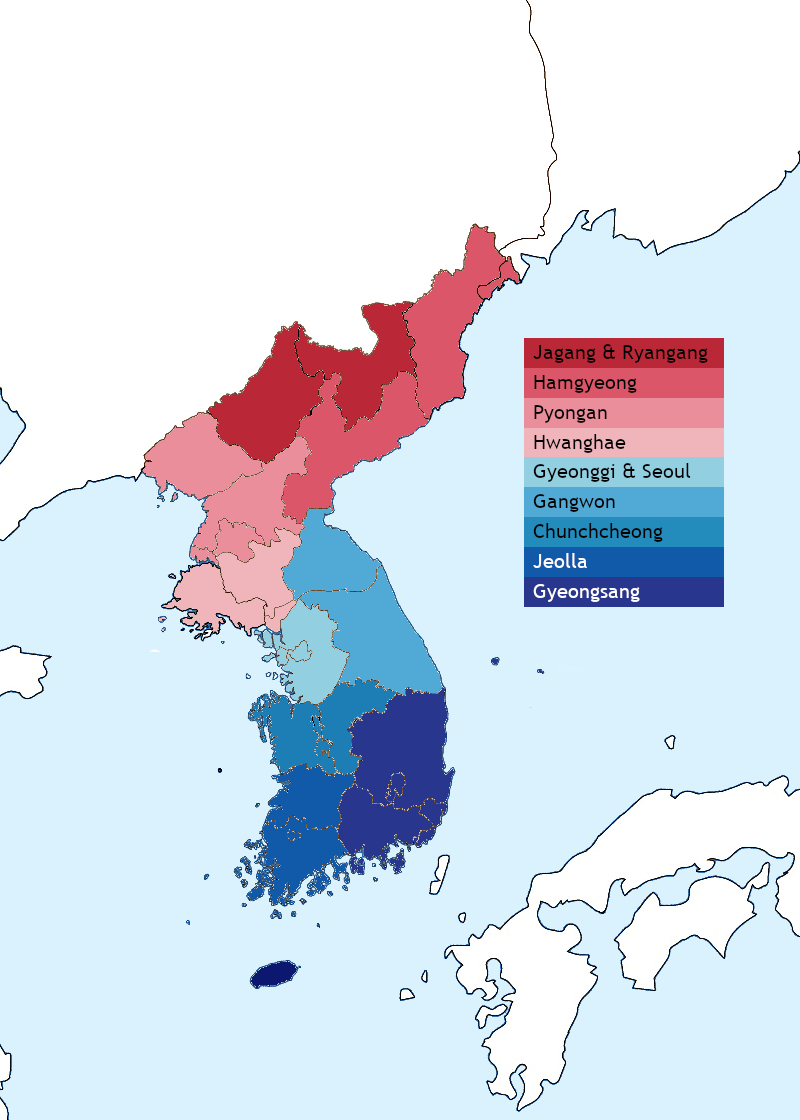
- Gyeonggi-do and Seoul
- Gangwon-do : Kimchi is stored for longer periods. Unlike other coastal regions in Korea, Kimchi in this area does not contain much salted fish.
- Chungcheong-do : Instead of using fermented fish, people in the region rely on salt and fermentation to make savory kimchi. Chungcheong-do has the most varieties of Kimchi.
- Jeolla-do : Salted yellow corvina and salted butterfish are used in this region to create different seasonings for Kimchi.
- Gyeongsang-do : This region’s cuisine is saltier and spicier. The most common seasoning components include 멸치젓(Myeolchijeot) which produce a briny and savory flavor.
- Hamgyeong-do : Due to its proximity to the ocean, people in this particular region use fresh fish and oysters to season their Kimchi.
- Pyongan-do : Non-traditional ingredients have been adapted in rural areas due to severe food shortages.
- Hwanghae-do : The taste of Kimchi in this region is not bland but not extremely spicy. Most Kimchi from this region has less color since red chili flakes are not used. The typical kimchi for Hwanghae-do is called 호박지(Hobakji) that made with pumpkin.